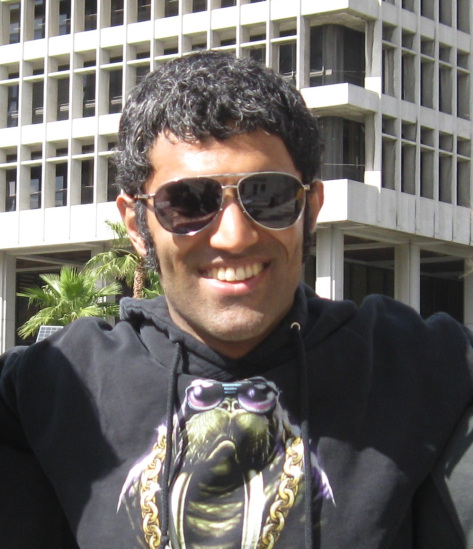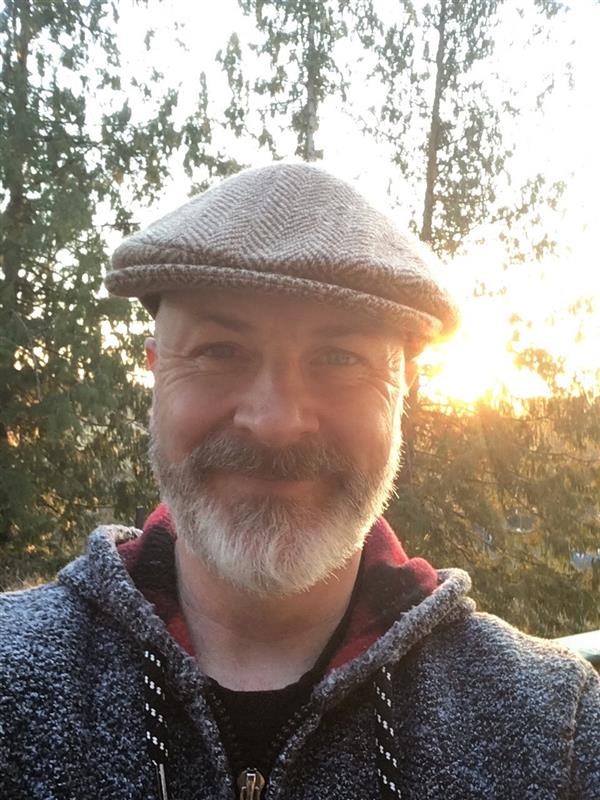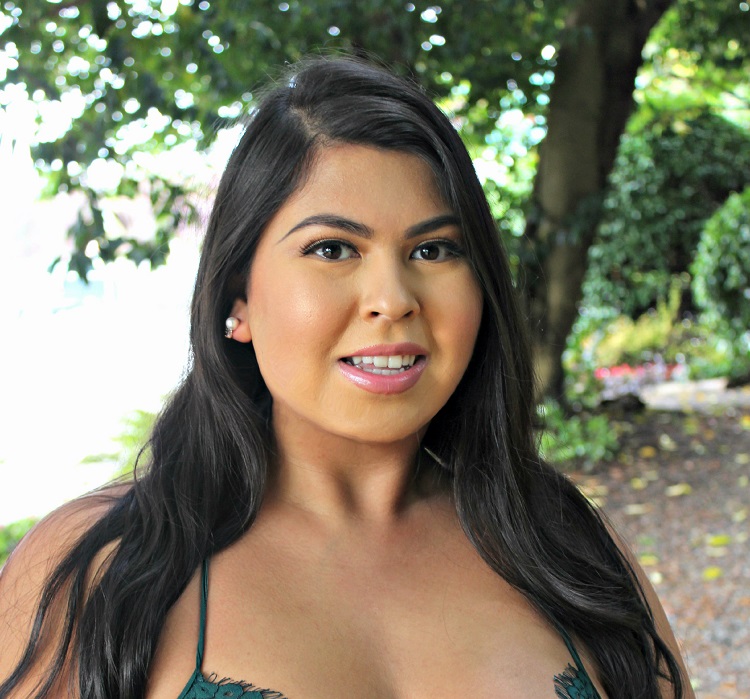
Reimagining Post-Secondary Education with Aunt Marny and Jennifer Anaquod

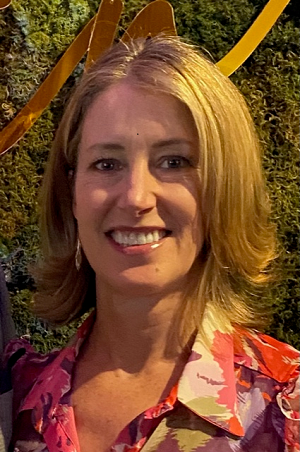
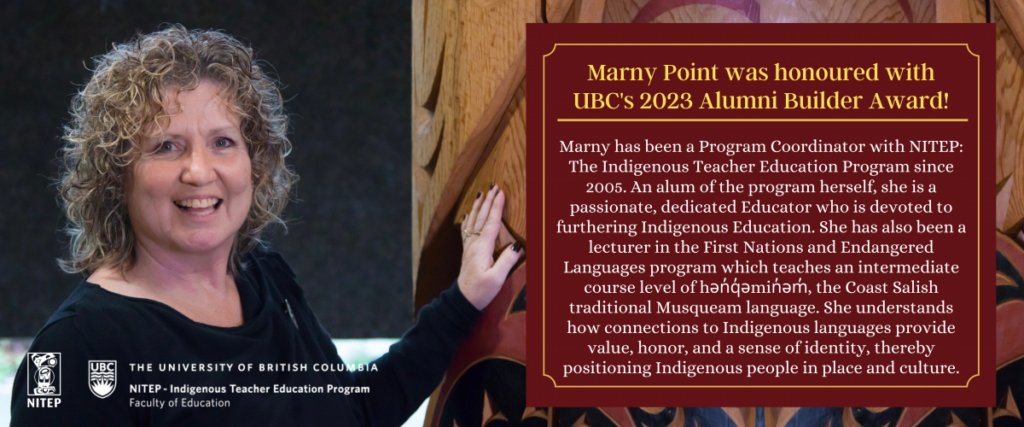
Marny Point – Program Coordinator/ Instructor for the NITEP

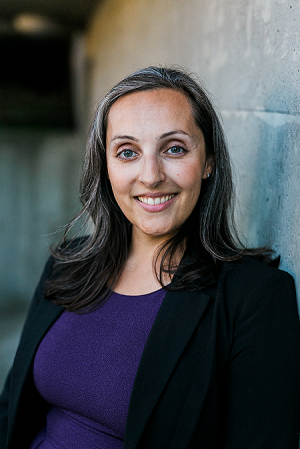
Jennifer Anaquod – Director, Indigenous Academic Initiatives
Links and notes

Truth and Reconciliation Commission of Canada

Statement of apology to former students of Indian Residential Schools

First Peoples Principles of Learning

Shawn A-in-chut Atleo (Ahousaht First Nation, born 1967), is an activist and politician, a former National Chief of the Assembly of First Nations in Canada (serving 2009 to 2014). He also has served since 1999 as a Hereditary Chief of the Ahousaht First Nation, part of the Nuu-chah-nulth Nation based in British Columbia.

Indian Control of Indian Education

Chief Dan George’s “Lament for Confederation”

Dr. Kirkness

Dr. Archibald

First Nations Education Steering Committee

The new graduation component for every student in Canada

Indigenous people got the vote; UNDRIP “human beings”

Sinixt people in Kootenays

Peter Cole _ Indigenous Curriculum Professor at UBC

Leanne Simpson

Dr. Michael Marker UBC

Universal Design for Learning

Liberating Structures

The Whole School

Forest Schools

Valhalla Wilderness Program

Word of the Day drop-in language class on Wednesdays, 10:00-11:00 in the Indigenous Gathering Place

Cia Verschelden Recovering Bandwidth Tax of Uncertainty

42:45 hĂĄy̓sxʡ q̓ə! or Huy ch q’u.

First Nations House of Learning

University of Alberta Indigenous Research Guide
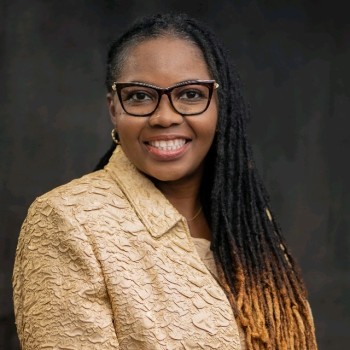
Reimagining Post-Secondary with Joann Anokwuru

Links 

Living and Learning with Disabilities in Nigeria by Joann Ihuoma Anokwuru 

The Salamanca Framework 

Joann Ihuoma Anokwuru ICANDO Education 

Child-Friendly Schools Manual 

Dr. Jennifer Katz – The Three-Block model of universal design for learning 

International Forums of Inclusion Practitioners 

UBC Black Student Union calls for dedicated space as Black students face feelings of isolation 

Joann Anokwuru on LinkedIn

Universal Design (Wikipedia)

Dr. Kimberley Tanner – Researcher focusing on biology and science education research, specifically on developing assessment tools to understand how people from K-12 to practicing scientists conceptualize science.

CBC Ideas “Neurodiversity and the myth of normal – part 1”

CBC Ideas “Neurodiversity and the myth of normal – part 2”

Reimagining Post-Secondary Education with Colleen Reid and Ruhina Rana

Karine Hamm (Sports Science Diploma Coordinator) and I met with Colleen Reid (Faculty Researcher and Therapeutic Recreation faculty) and Ruhina Rana (Health Sciences Research Coordinator) to discuss their ideas on the topic of Reimagining Post-Secondary Education. Colleen and Ruhina were both members of the inaugural HiPE – High Impact Practices in Education – committee. They created the committee as a support to the Office of Research and Innovation. They bring their perspective on the moral imperative we have to offer undergraduate research opportunities at Douglas College despite being a teaching intensive institution. Join our chat as we discuss how HiPE aims to re-configure post-secondary education to adapt to the changing landscape of employability.

Listen to the conversation with Ruhina, Colleen, Karine, and Steven


Here are some links to topics mentioned in the recording:

https://www.douglascollege.ca/about-douglas/learn-about-douglas/research-college

https://www.cur.org

Douglas College Innovation Hub

https://www.ncbi.nlm.nih.gov/pmc/articles/PMC10754963/

https://collegedouglas.sharepoint.com/sites/dcconnect/news_events/news/Pages/20230831-Innovation-Hub-is-accepting-proposals-for-interdisciplinary-research-projects.aspx

Colleen Reid Imagining Inclusion Research Projects
http://www.imagininginclusion.ca/

http://www.imaginationnetwork.org/

Reimagining Post-Secondary Education with Karine Hamm

Karine Hamm, Coordinator, Sports Science Diploma and I met to discuss a DESC project we are working together on involving a series of recorded interviews and dialogues with colleagues, students, and other educators that will address the topic of Reimagining Post-Secondary Education.

Here are some links to things mentioned in the recording

Our recording ending a bit abruptly and we thanked each other after stopping the recording. Watch for future installments in this series and if you would like to participate please contact Karine at duvalk@douglascollege.ca or Steven at bishops@douglascollege.ca

Click on the image above to listen to the recorded dialogue

What’s your take on AI? – Episode 01

What’s your Take on AI? is a Douglas Educational Support Community initiative spotlighting Douglas College instructors and their thoughts on Generative AI. The views of the instructors are their own and do not necessarily represent their department, faculty, or the institution as a whole.   

The goal of the series is to share perspectives and to put the conversation of generative ai, and both its real and perceived impacts, into the open. 

 WYTAI Episode 01: Jill Fellows, Philosophy Instructor at Douglas College 

Show Notes:  

Gender, Sex, and Tech! An Intersectional Feminist Guide Edited by Jennifer Jill Fellows and Lisa Smith 

JORGE ARANGO- Book Notes: “On Bullshit” 

A Harem of Computers: The History of the Feminized Machine by Jill Fellow 

Digital Humanity: Professing in Novel Times—Episode Seven

Jovian Radheshwar

This week Steven and I met up for a virtual hallway chat with Jovian Radeshwar, a Faculty Member in the Department of Political Science at Douglas College. We were also joined by our invited co-host, Rim Gacimi. Rim is a recent graduate from the Bachelor’s of Psychology program at Douglas College. Rim was an honours student and research assistant to Dr. Lisa Smith. Her work aims to better understand social behaviour and inequality using empirical research methods. Rim is also interested in socio-political discourse and was once a student of Dr. Jovian Radheshwar.

Jovian is a creative and enthusiastic instructor, who does not shy away from tackling everything under the sun when diving into international politics. We caught up with Jovian to chat about some of the ways he’s approaching the design of his online courses this fall. In addition, we wanted to hear his thoughts on how anti-racist pedagogy can help us navigate the chaotic world we find ourselves in.

kWidget.embed({ “targetId”: “kaltura_player_1666291891”, “wid”: “_142”, “uiconf_id”: 23450040, “flashvars”: {}, “cache_st”: 1666291891, “entry_id”: “0_9brlf8hi” });

If you want to read / watch more, check out some recommendations from Jovian:

– Maria Lugones, https://globalsocialtheory.org/thinkers/lugones-maria/

The Great Hack,  https://en.wikipedia.org/wiki/The_Great_Hack

– Democracy Now! Amy Goodman https://www.democracynow.org/

You can also check out the podcast he co-hosts.

– Jovian Moondough Show https://youtu.be/7fvzBqY-dm0

Join the conversation by sharing your comments, observations, and suggestions with us!

Until next time,

Lisa and Steven

Digital Humanity is recorded on the unceded traditional territories of the Coast Salish Peoples of the QayQayt and Kwikwetlem First Nations.

Digital Humanity: Professing in Novel Times—Episode Six

This week Steven and I met up for a virtual hallway chat with Kira Tomsons, a Faculty Member in the Department of Philosophy at Douglas College. Kira is an experienced and innovative online instructor who enthusiastically delves into new techniques and methods for engaging students in virtual learning environments. (She is also pretty good with stick people drawings!) She shared with us some of the ways she is setting up her courses for Fall 2020. In addition, Kira reflected on how feminist care ethics can help us consider how to care well in these novel times.

If you want to read further, Kira has some suggestions:

Moral Boundaries by Joan Tronto

Moral Contexts by Margaret Urban Walker

Link to the Stanford Encyclopedia of Philosophy entry – https://plato.stanford.edu/entries/feminism-ethics/

kWidget.embed({ “targetId”: “kaltura_player_1666292479”, “wid”: “_142”, “uiconf_id”: 23450040, “flashvars”: {}, “cache_st”: 1666292479, “entry_id”: “0_wcexuxvu” });

Check out the Blooper Reel Kira shared with us!

kWidget.embed({ “targetId”: “kaltura_player_1666292559”, “wid”: “_142”, “uiconf_id”: 23450040, “flashvars”: {}, “cache_st”: 1666292559, “entry_id”: “0_uxlnzoqy” });

Join the conversation by sharing your comments, observations, and suggestions with us!

Until next time,

Lisa and Steven

Digital Humanity is recorded on the unceded traditional territories of the Coast Salish Peoples of the QayQayt and Kwikwetlem First Nations.

Digital Humanity: Professing in Novel Times—Episode Five

This week Steven and I met up for a virtual hallway chat with a Douglas College student taking courses for the first time online this summer. Among other things, Charlene is a mom to twins and has her sights set on a career as a dental hygienist. 

kWidget.embed({ “targetId”: “kaltura_player_1666292684”, “wid”: “_142”, “uiconf_id”: 23450040, “flashvars”: {}, “cache_st”: 1666292684, “entry_id”: “0_3eia6s2q” });

Digital Humanity: Professing in Novel Times—Episode Four

This week Steven and I met up for a virtual hallway chat with Eamonn O’Laocha a Douglas College Faculty Member in the Department of Business Management. Among other things, Eamonn is working with the Douglas College Facilitating Faculty Online Group and kindly shared some of his observations about the challenging path facing faculty. In addition, Eamonn spoke to some of the work he is doing to address tech inequity and access to education.

To learn more about his work check the full article  https://www.douglascollege.ca/about-douglas/news-and-media/news/2020/May/digital-devices-donations. Eamonn’s interview is full of excellent insights and reminds us all of the importance of understanding the ‘novel’ times we are in. 

We would like to acknowledge that we live, learn, work, and play on the unceded traditional territories of the Coast Salish Peoples of the QayQayt and Kwikwetlem First Nations.

Dr. Eamonn O’Laocha
Dialogue with Eamonn, Lisa, and Steven—June 23, 2020

Eamonn referred to the work of Paulo Friere in the recording; here is a link to more information about Friere: https://infed.org/mobi/paulo-freire-dialogue-praxis-and-education/

Digital Humanity: Professing in Novel Times—Episode Three

Seren Friske

This week Steven and I met up for a virtual hallway chat with Seren Friskie. Seren is an Indigenous Psychology student, mental health advocate, community organizer, and activist living on the unceded traditional territories of the Coast Salish People’s. She kindly and generously shared with us what’s it like to be an online student, as well as some of the important work she is doing to research and support better mental health outcomes for vulnerable and marginalized communities. We highly recommend you check out her interview to see things from a student point of view.

Dialogue with Seren Friske, Lisa Smith, and Steven Bishop—June 3, 2020

To learn more about some of the work that keeps her busy, check out the links below:

SARAVYChttps://www.saravyc.ubc.ca/person/seren-friskie/

IMPACTShttps://www.douglascollege.ca/programs-courses/faculties/humanities-social-sciences/sociology/impacts

Foundryhttps://foundrybc.ca

Connect with her on Instagram @renfriskie

Please share your thoughts, comments, and suggestions with us as the podcast continues to grow.

We are Lisa Smith (lsmith65@douglascollege.ca) and Steven Bishop (bishops@douglascollege.ca).

We would like to acknowledge that we live, learn, work, and play on the unceded traditional territories of the Coast Salish Peoples of the QayQayt and Kwikwetlem First Nations.