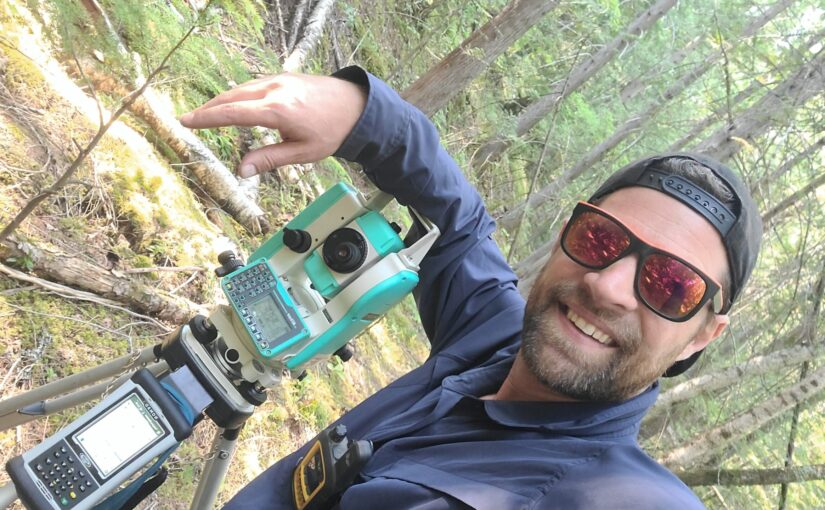
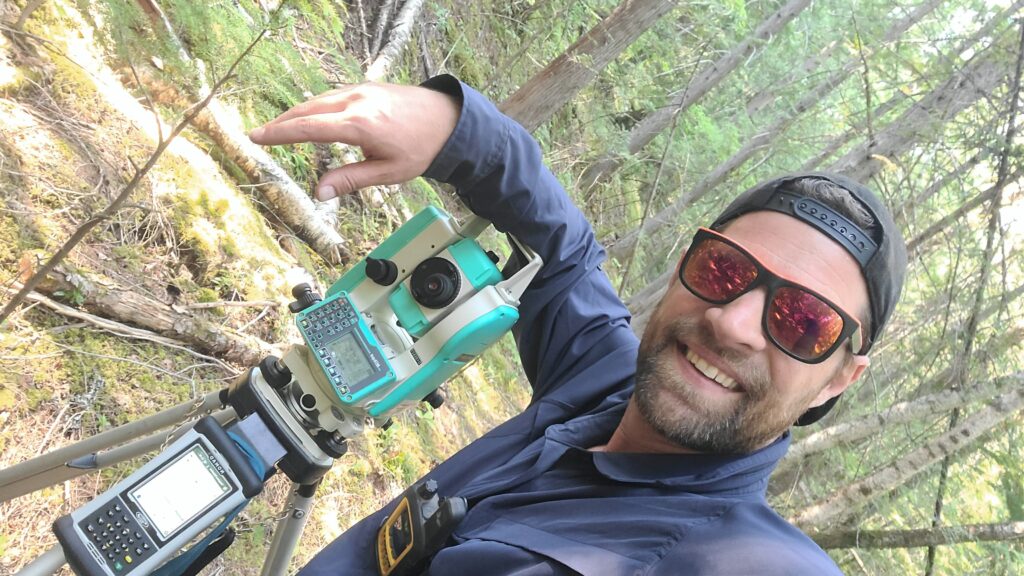
In a recent conversation with Sasha Djakovic, Geography Lab Technician at Douglas College, I was struck by how deeply experiential and relational geography education can be—especially when it is tied to land-based knowledge and Indigenous ways of knowing.
Sasha’s work, both in the lab and on the land, bridges high-tech tools like GIS and LiDAR drones with ancient stories, place names, and protocols rooted in the Lil’wat Nation’s territory. Through the Lil’wat Archaeological Research Project, he and colleagues like Bill Angelbeck, with guidance from Indigenous leaders such as Jennifer Anaquod, have facilitated a rare kind of learning: one that pairs digital mapping with spiritual respect, physical geography with oral tradition, and student development with cultural humility.
The Geography lab’s augmented reality sandbox, for instance, helps students visualize topography and contour lines in three dimensions. But Sasha reminds us that the best geography lab is still outside. In Lil’wat territory, stories like the Copper Canoe become topographical narratives—legends validated not only by tradition but also by modern science. The land itself, with its steep terrain and active volcanoes, speaks back to these stories in powerful ways.
What stood out most in our exchange was the emotional transformation students undergo during their time on these digs. From opening ceremonies with drumming to observing protocols around sacred sites and funerals, students are asked not just to learn—but to feel, to listen, and to honour. This is not just skill-building. It’s soul-building.
At a time when generative AI is rewriting the rules of what skills we offload to machines, Sasha’s reflections remind us of what we must not offload: spiritual sensitivity, ethical responsibility, and deep relational awareness with the land and its stories. These are not just Indigenous ways of knowing—they are human ones, and they’re more vital than ever.
And…good timing! This article about the archeological work came out shortly after our recorded dialogue: Archeological dig on Lil’wat territory uncovers ancient histories and reframes research relationships