
In the DESC podcast with Steven Bishop and Auntie Marny, Jennifer Anaquod share her thoughts about how post-secondary education could be reimagined through an Indigenous lens. (1:30)
Category: Reimagining Post-Secondary
Reimagining Post-Secondary Education with Bailey Cove
Karine Hamm (Sports Science Diploma Coordinator) and I met with Bailey Cove, a former student of Karine’s, to discuss her ideas on the topic of Reimagining Post-Secondary Education. Bailey has been volunteering since high-school, and provided this list of recent positions she has served in:
- Douglas Students’ Union (DSU) Director of College Relations (1 year)
- Douglas College (DC) Board of Governors (1 year)
- Douglas Students’ Union (DSU) Director of External Relations (1 year)
- DSU Budget and Operations Committee (member)
- DSU Campus Life Working Group (member)
- DSU/DC Joint Operations (member)
- Douglas College Education Council College Board Liaison
- Douglas College Campus Planning Committee (member)
- DSU Campaigns Working Group (Chair)
Bailey shared her thoughts on the student experience of post-secondary education from a highly-informed perspective. Enjoy listening to a discussion of what works, what needs improvement, and what new directions we can imagine.
Links
Bailey Cove on LinkedIn
Bailey Cove on DSU Board of Directors
A few references from the discussion:
The reGENERATE Ideas Challenge (PEAK-Buildings Certificate program students’ submission shortlisted as #16)
Quote from Neighbourhood Houses – Edited by Ming Chung Yan and Sean Lauer: “The community problem is generally considered to comprise the following problems of connection and engagement: the avoidance and superficial level of interaction, the living together at high densities as strangers, and the feeling of isolation while surrounded by others. This can lead to alienation and a social disconnection from the social world around us. As a form of social infrastructure focused on the development of relationships and social capacity, neighbourhood houses have the potential to contribute to the ideal of creating welcoming communities in cities and societies that are often less than welcoming and supportive for marginalized, racialized, and disadvantaged groups.”
Yuval Noah Harari on storytelling – “Homo sapiens is a storytelling animal that thinks in stories rather than in numbers or graphs, and believes that the universe itself works like a story, replete with heroes and villains, conflicts and resolutions, climaxes and happy endings. When we look for the meaning of life, we want a story that will explain what reality is all about and what my particular role is in the cosmic drama. This role makes me a part of something bigger than myself, and gives meaning to all my experiences and choices.”
“Never doubt that a small group of thoughtful, committed citizens can change the world; indeed, it’s the only thing that ever has.” Margaret Mead
“The Trouble with Normal” by Bruce Cockburn

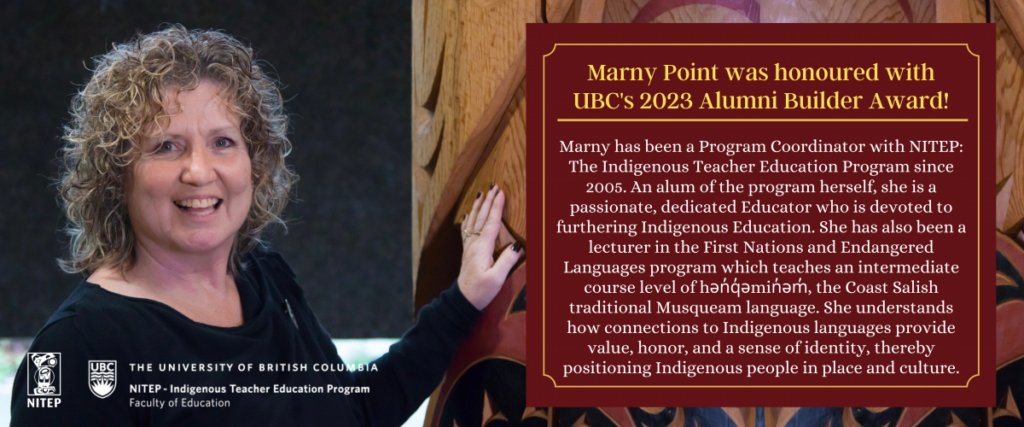
Reimagining Post-Secondary Education with Aunt Marny and Jennifer Anaquod
Marny Point – Program Coordinator/ Instructor for the NITEP
Jennifer Anaquod – Director, Indigenous Academic Initiatives
Links and notes
Truth and Reconciliation Commission of Canada
Statement of apology to former students of Indian Residential Schools
First Peoples Principles of Learning
Shawn A-in-chut Atleo (Ahousaht First Nation, born 1967), is an activist and politician, a former National Chief of the Assembly of First Nations in Canada (serving 2009 to 2014). He also has served since 1999 as a Hereditary Chief of the Ahousaht First Nation, part of the Nuu-chah-nulth Nation based in British Columbia.
Indian Control of Indian Education
Chief Dan George’s “Lament for Confederation”
First Nations Education Steering Committee
The new graduation component for every student in Canada
Indigenous people got the vote; UNDRIP “human beings”
Sinixt people in Kootenays
Peter Cole _ Indigenous Curriculum Professor at UBC
Word of the Day drop-in language class on Wednesdays, 10:00-11:00 in the Indigenous Gathering Place
Cia Verschelden Recovering Bandwidth Tax of Uncertainty
42:45 háy̓sxʷ q̓ə! or Huy ch q’u.
First Nations House of Learning
University of Alberta Indigenous Research Guide
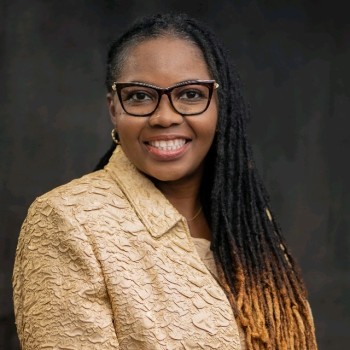
Reimagining Post-Secondary with Joann Anokwuru

Links
Living and Learning with Disabilities in Nigeria by Joann Ihuoma Anokwuru
Joann Ihuoma Anokwuru ICANDO Education
Dr. Jennifer Katz – The Three-Block model of universal design for learning
International Forums of Inclusion Practitioners
UBC Black Student Union calls for dedicated space as Black students face feelings of isolation
Dr. Kimberley Tanner – Researcher focusing on biology and science education research, specifically on developing assessment tools to understand how people from K-12 to practicing scientists conceptualize science.

Reimagining Post-Secondary Education with Colleen Reid and Ruhina Rana
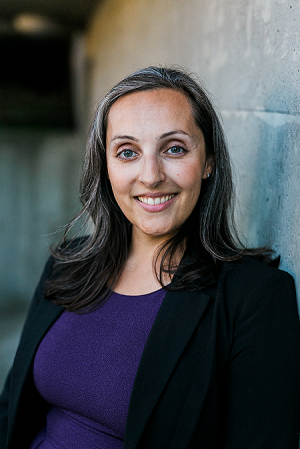
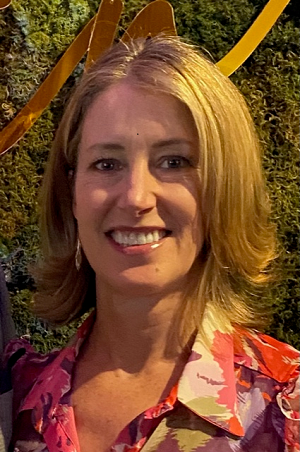
Karine Hamm (Sports Science Diploma Coordinator) and I met with Colleen Reid (Faculty Researcher and Therapeutic Recreation faculty) and Ruhina Rana (Health Sciences Research Coordinator) to discuss their ideas on the topic of Reimagining Post-Secondary Education. Colleen and Ruhina were both members of the inaugural HiPE – High Impact Practices in Education – committee. They created the committee as a support to the Office of Research and Innovation. They bring their perspective on the moral imperative we have to offer undergraduate research opportunities at Douglas College despite being a teaching intensive institution. Join our chat as we discuss how HiPE aims to re-configure post-secondary education to adapt to the changing landscape of employability.

Listen to the conversation with Ruhina, Colleen, Karine, and Steven
Here are some links to topics mentioned in the recording:
https://www.douglascollege.ca/about-douglas/learn-about-douglas/research-college
Douglas College Innovation Hub
https://www.ncbi.nlm.nih.gov/pmc/articles/PMC10754963/
https://collegedouglas.sharepoint.com/sites/dcconnect/news_events/news/Pages/20230831-Innovation-Hub-is-accepting-proposals-for-interdisciplinary-research-projects.aspx
Colleen Reid Imagining Inclusion Research Projects
http://www.imagininginclusion.ca/
http://www.imaginationnetwork.org/
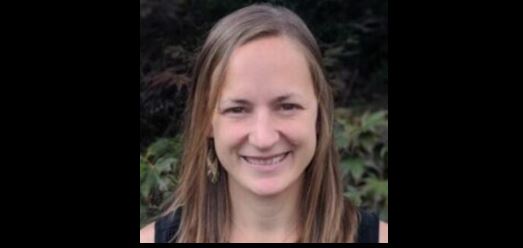
Reimagining Post-Secondary Education with Karine Hamm
Karine Hamm, Coordinator, Sports Science Diploma and I met to discuss a DESC project we are working together on involving a series of recorded interviews and dialogues with colleagues, students, and other educators that will address the topic of Reimagining Post-Secondary Education.
Here are some links to things mentioned in the recording
- Reimagining Post-Secondary Education with Jennifer Anaquod
- High Impact Practices in Education (DC Connect log-in required)
- Council for Undergraduate Research
- Douglas College Research and Innovation Office (DC Connect log-in required)
- Transcript of the Studio23 Panel: Experiential Learning and Social Change Through Projects in Studios, Labs, and Maker Spaces quote from Paula Ortiz: “I think the biggest thing is I’ve had professors mention that or teach that we should learn to embrace and learn the new technologies coming out rather than be against them. Because I read an article that came out not too long ago about the top 30 jobs that are about to be replaced by AI. And guess what, my job is on that list. So that is a little daunting when I haven’t even graduated and people are telling me that I’m going to be replaced in like the next 5, 10 years. So certain professors have been teaching students is to take, for example, something like a ChatGPT and learn how to combine it with yourself, to elevate yourself as a designer, rather than fear that AI will replace your job entirely because I think it’ll still be a while before it can perfectly replace what a designer does. But we need to learn how to embrace it and learn it and keep up with these technologies that are coming out so quickly to be able to elevate yourself and your skills to be able to make something that is greater.”
- Karine and Peter Wilkins work with the North Shore Stroke Recovery Centre
Our recording ending a bit abruptly and we thanked each other after stopping the recording. Watch for future installments in this series and if you would like to participate please contact Karine at duvalk@douglascollege.ca or Steven at bishops@douglascollege.ca

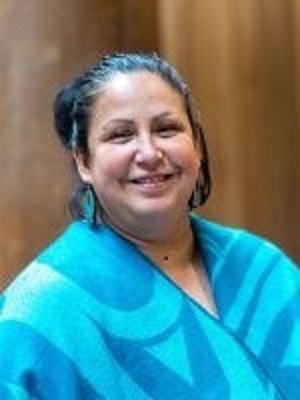
Reimagining Post-Secondary Education with Jennifer Anaquod
Show notes and links mentioned in the recording
Conversation between Jennifer Anaquod, Director, Indigenous Academic Initiatives, and Steven Bishop, Learning Designer, Academic Technology Services
Land Acknowledgement
Douglas College respectfully acknowledges that our campuses are located on the unceded traditional and ancestral lands of the Coast Salish Peoples, including the territories of the q̓íc̓əy̓ (Katzie), qʼʷa:n̓ƛʼən̓ (Kwantlen), kʷikʷəƛ̓əm (Kwikwetlem), xʷməθkʷəy̓əm (Musqueam), and qiqéyt (Qayqayt) First Nations.
Jennifer Anaquod, Anishinaabe from Treaty 4 Territory in Saskatchewan
Steven Bishop, from the unceded territory of the Coast Salish people. Originally, from the traditional lands of the Puyallup Tribe.
- National Day for Truth and Reconciliation September 30, 2023
- UDL – Universal Design for Learning
- Native-Land.ca
- Dr. Michael Marker
- SFU Sustainable Agriculture
- Jaime Yard
- First Peoples’ course at UFV
- Jesse Stommel Ungrading: an Introduction
- Dr. Jo-ann Archibald Indigenous Storywork
- First Nations and Higher Education: The Four R’s – Respect, Relevance, Reciprocity, Responsibility
- Truth and Reconciliation Commission of Canada: Calls to Action
- Cia Verschelden Bandwidth Recovery (also include link to the Better Together recording and artifacts)
- NITEP, the Indigenous Teacher Education Program in UBC The Faculty of Education
- Pathways Partnerships with Indigenous Post-Secondary Institutes – Prepared for BCCAT by: Jennifer Anaquod, Anaquod Educational Consulting Jason La Rochelle, Heather Simpson, Dawn Ursuliak, Justice Institute of BC
- IAHLA – Indigenous Adult & Higher Learning Association institutions