Inclusive Teaching with Sarah Skinner


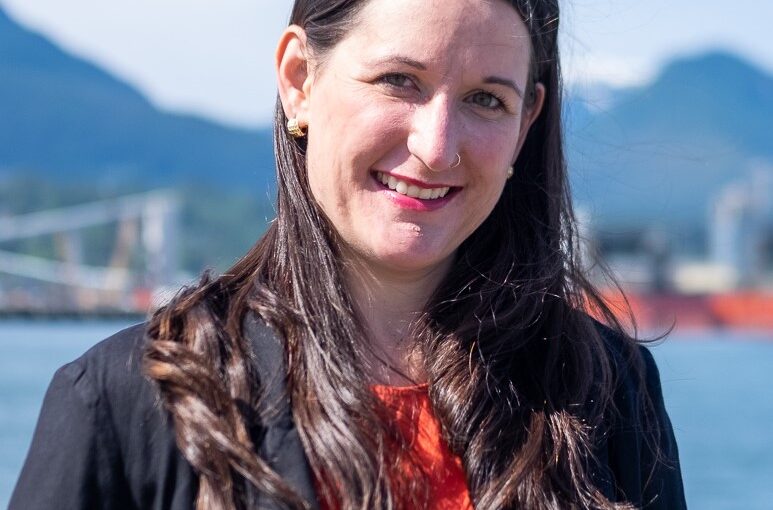
We caught up with Sarah Skinner, an Early Childhood Education instructor, about her first year in a full-time faculty role and her evolving approach to inclusive, student-centered teaching. Sarah shares how Universal Design for Learning (UDL) principles, multiple means of expression, and real-world inclusive strategies are shaping her courses—especially in asynchronous online environments.

Sarah reflects on her recent attendance at the Canadian Society for the Study of Education (CSSE) conference and shares a few memorable sessions and takeaways, including using case studies based on refugee families’ lived experiences and incorporating visual note-taking into learning activities. These approaches center student agency and creativity while maintaining clear learning goals.

Key Topics

  • Sarah’s background in occupational therapy and inclusive education
  • Implementing Universal Design for Learning (UDL) in practice
  • Tools like Padlet for engagement and collaboration
  • The value of choice in learning modalities (e.g., essays, podcasts, paintings, carvings)
  • Conference reflections from CSSE and ideas for case-based learning
  • Explorations of visual note-taking in asynchronous online learning
  • The importance of preserving joy, diversity, and human-centered learning in the face of increasing automation and AI

Tools & Teaching Strategies

  • Padlet for visual and collaborative learning
  • Kaltura media tools for multimedia sharing in online courses
  • Visual note-taking as an inclusive and creative learning strategy
  • Gallery walks as assessment and dialogue tools
  • Flexible assessments (papers, songs, carvings, videos) that align with consistent learning outcomes

Takeaway Quotes

“Inclusive education is education.”
“UDL is about fixed goals and flexible means.”
“We’re not just looking for a well-written essay—we’re looking for understanding.”
“When students are engaged and joyful, they’re more likely to think for themselves.”


🔗 Related Links

Access Sarah’s presentation via the link below:

Padlet-for-Choice-and-Flexibility-1


Sarah welcomes collaboration and conversation with other Douglas College instructors who are interested in inclusive teaching, creative assessments, or translating hands-on activities to online environments.

Embracing discomfort: Navigating the stumbling blocks and stepping stones of Indigenization

These video excerpts are from the March 21 Stumbling Blocks and Stepping Stones hosted by Jennifer Anaquod.

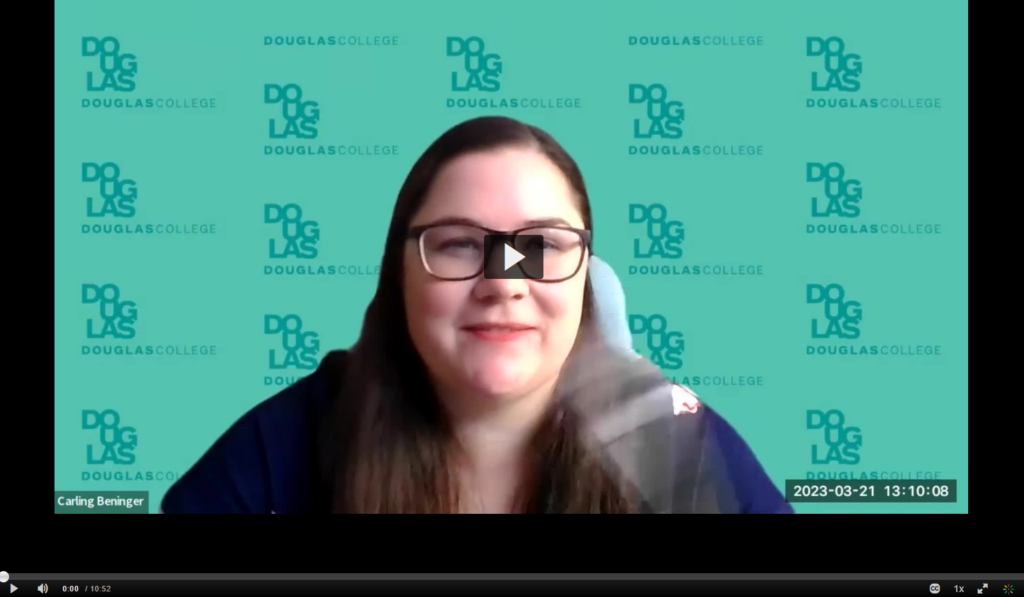
Carling Beninger

  • Carling expresses discomfort as a white settler teaching Indigenous history classes and discuss how she has navigated this by listening, centering Indigenous voices, and bringing in guest lecturers.
  • Carling mentions the importance of compensating Indigenous guest speakers for their time through an honourarium and providing a gift as per Indigenous protocol.
  • She aims to create a safe and inclusive environment for students, acknowledging the diverse backgrounds and experiences of her students.
  • She uses innovative teaching methods, such as having students perform an act of reconciliation, which has allowed some Indigenous students to connect with their culture.
  • Carling believes that education is a crucial part of reconciliation and feels fortunate to play a role in sharing Indigenous history with her students.

Click on the image below to watch Carling speak about her journey.

Click to hear Carling talk about her journey.

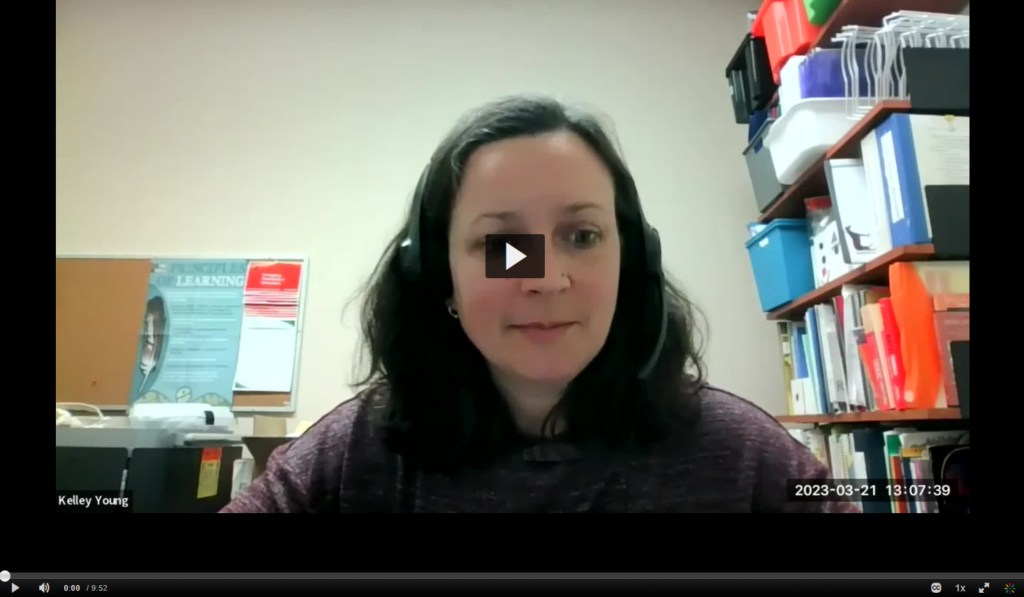
Kelley Young

  • Kelley is part of a pilot project in the Northwest Territories, teaching online courses for people who are in the role of educational assistance.
  • She acknowledges past mistakes and misunderstandings when working with Indigenous students and families, and is committed to learning and growing.
  • She has made changes to her teaching approach, such as leaving more space for conversation and wait time during live Zoom sessions, and using a Padlet for sharing and discussion.
  • Kelley values the connections made with people in the course and appreciates when they share their experiences and knowledge.

Click on the image below to watch Kelley speak about her journey.

Click to listen to Kelley talk about her journey

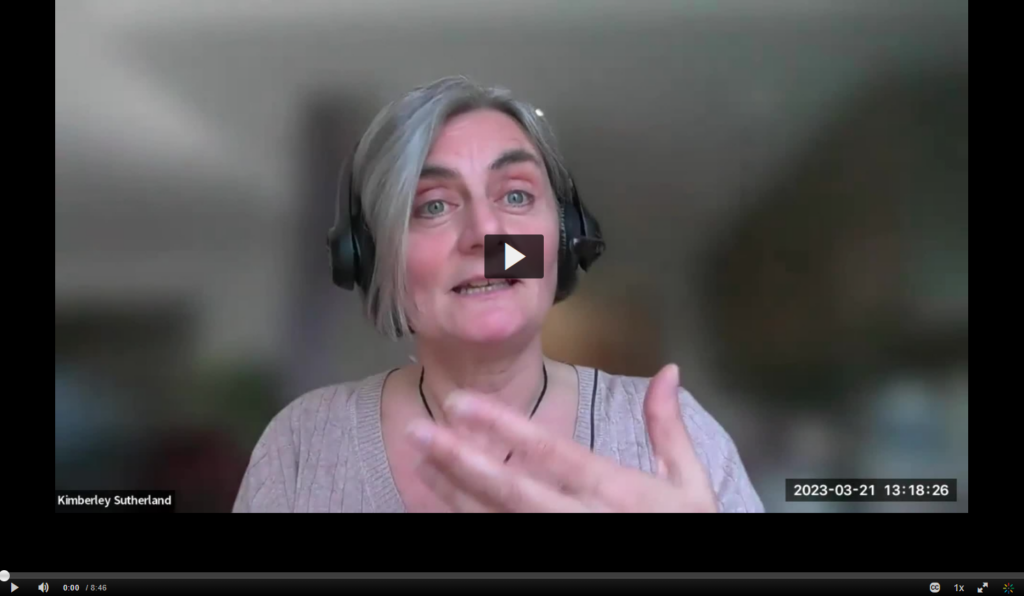
Kimberley Sutherland

  • Kimberley acknowledges feeling discomfort and uncertainty, especially when making territorial acknowledgments in front of her students. She tries to engage her students in these discussions and shares her own learning journey.
  • She values the connections made with people in her course and appreciates when they share their experiences and knowledge.
  • She acknowledges past mistakes and misunderstandings and is committed to learning and growing.
  • Kimberley believes in the importance of moving forward despite discomfort and uncertainty, recognizing her position of privilege, and empathizing with those who do not share that privilege.

Click on the image below to watch Kimberley speak about her journey.

Click to listen to Kimberley talk about her journey.