We caught up with Sarah Skinner, an Early Childhood Education instructor, about her first year in a full-time faculty role and her evolving approach to inclusive, student-centered teaching. Sarah shares how Universal Design for Learning (UDL) principles, multiple means of expression, and real-world inclusive strategies are shaping her courses—especially in asynchronous online environments.
Sarah reflects on her recent attendance at the Canadian Society for the Study of Education (CSSE) conference and shares a few memorable sessions and takeaways, including using case studies based on refugee families’ lived experiences and incorporating visual note-taking into learning activities. These approaches center student agency and creativity while maintaining clear learning goals.
Key Topics
Sarah’s background in occupational therapy and inclusive education
Visual note-taking as an inclusive and creative learning strategy
Gallery walks as assessment and dialogue tools
Flexible assessments (papers, songs, carvings, videos) that align with consistent learning outcomes
Takeaway Quotes
“Inclusive education is education.” “UDL is about fixed goals and flexible means.” “We’re not just looking for a well-written essay—we’re looking for understanding.” “When students are engaged and joyful, they’re more likely to think for themselves.”
Sarah welcomes collaboration and conversation with other Douglas College instructors who are interested in inclusive teaching, creative assessments, or translating hands-on activities to online environments.
After three inspiring days at the Digital Pedagogy Lab 2025, which was hosted by BCcampus in partnership with Jesse Stommel and Kwantlen Polytechnic University. I find myself reflecting on what makes teaching and learning meaningful, equitable, and joyful. As I was in the Reimagining Assessment: Care and Community track, the following notes represent topics discussed in that break-out theme, led by Dr. Jesse Stommel and Dr. Martha Burtis. (Note: Paraphrased quotes from the track are in italics.)
Across conversations on grading reform, first-generation student success, and digital learning environments, a central theme emerged:
Assessment should not be a barrier to learning—it should be a bridge.
When we shift our focus from grades to growth, from compliance to curiosity, we create classrooms where students engage deeply, take intellectual risks, and connect learning to their own lives. We explored research-backed strategies and practical applications to bring into our own teaching practices.
First-Generation Students: Making Learning Purposeful
One of the most impactful discussions centered on first-generation students, who often approach college with a transactional view of education—where grades, rather than learning, are seen as the goal. Research on cultural capital gaps shows that these students may struggle with unspoken academic expectations, leading to anxiety and disengagement.
Practical applications to teaching
Explicitly teach the hidden curriculum—Explain policies, feedback loops, and flexible deadlines.
Reframe grades as markers of growth—Help students see assignments as opportunities for learning, not just evaluations.
Build relational trust—Normalize asking for help and emphasize process over perfection.
Grades shouldn’t define a student’s worth—but for many, they’re tied to survival.
Classroom Environment: The Space We Teach In Matters
Classroom design influences engagement, equity, and participation in ways we often overlook. We had a lively discussion about how seating arrangements, lighting, and instructor positioning impact student interactions.
A few takeaways:
Fixed seating and sterile environments discourage engagement.
Flexible arrangements encourage discussion, collaboration, and accessibility.
Instructor positioning matters—sitting among students reduces hierarchy and increases participation.
If we want students to be active learners, we need spaces that allow them to be.
Since this was a digital pedagogy lab, we also discussed the implications of digital environments, and ways to reduce hierarchical and sterile online environments.
Bias in Grading: The Halo Effect & Hidden Prejudices
Grading is never neutral. A meta-analysis of 1,935 graders found that bias—often unconscious—shapes how we evaluate student work.
Common biases in grading:
The Halo Effect – If a student has done well before, their future work may be viewed more favorably.
The Reverse Halo Effect – Students who challenge grades or struggle early on may be judged more harshly.
Bias from transcript access – Knowing a student’s GPA, financial aid status, or past performance can subtly influence assessment.
How to Reduce Grading Bias:
Blind grading – we discussed the pros and cons of this, and the ways in which bias can creep into even blind grading
Shift from “points lost” to mastery-based rubrics.
Provide feedback before giving a grade. Also, keep feedback and grading separate; students often don’t consider the feedback important if it is adjacent to the grade.
Bias in grading isn’t just about race or gender—it’s about power, perception, and relationships.
Shifting from Grades to Meaningful Feedback
One of the most practical insights from the Assessment track was how to decenter grades and make feedback the focal point of learning.
Effective feedback strategies:
Process letters – Students reflect on their work before receiving a grade.
Self-assessment + instructor feedback – Encourages students to take ownership of their progress.
Feedback-first grading – Delays grading to allow students to focus on improvement rather than points.
When grades are the focus, students ignore feedback. When feedback is the focus, grades become secondary.
Redesigning Assignments for Intrinsic Motivation
A final, critical discussion centered on how we design assignments to spark curiosity and intrinsic motivation.
Practical strategies:
Reframe assignments – Instead of “This is worth 20% of your grade,” say: “This helps you develop X skill, which prepares you for Y challenge.”
Use mastery-based grading – Encourage students to improve over time rather than chase perfection.
Incorporate self-reflection – Ask students to set learning goals and evaluate their own growth.
Education isn’t about sorting students into winners and losers—it’s about empowering every learner to thrive.
A Call to Action: Redefining Success in the Classroom
Grading reform isn’t just about changing policies—it’s a philosophical shift. It asks us:
Do my assessments foster learning or just compliance?
Do my grading practices reflect my values or institutional habit?
Am I creating conditions where all students—not just the privileged—can thrive?
Teaching should be a space of intellectual excitement, deep engagement, and genuine curiosity. The more we humanize assessment, remove unnecessary barriers, and promote student agency, the more we create joyful, meaningful learning experiences.
I left this conference energized and committed to these shifts—not just for my students, but for the future of teaching and learning itself.
Because education is more than a transcript—it’s about transformation. And when we shift our focus from grades to growth, we empower students to become thinkers, not just performers.
Resources we used in the Reimagining Assessment track
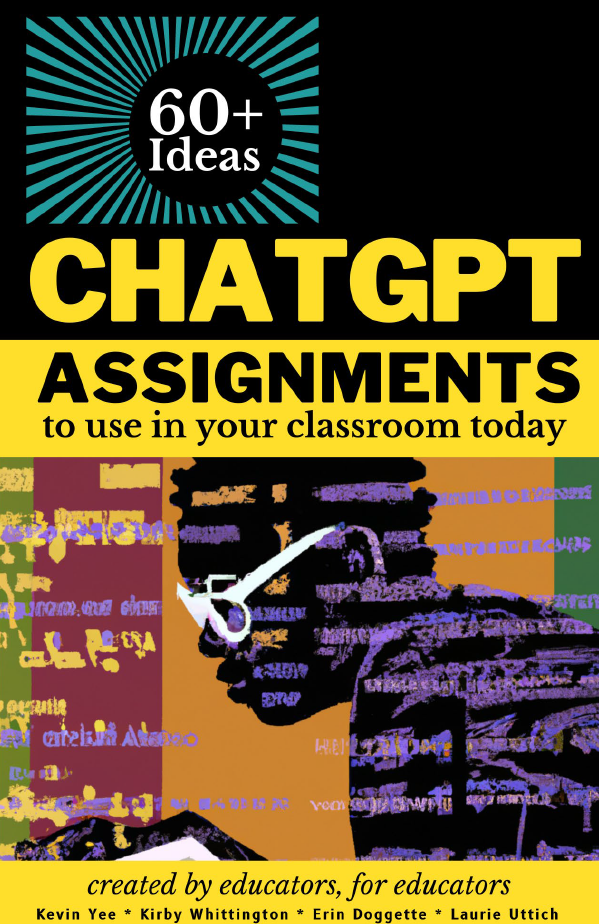
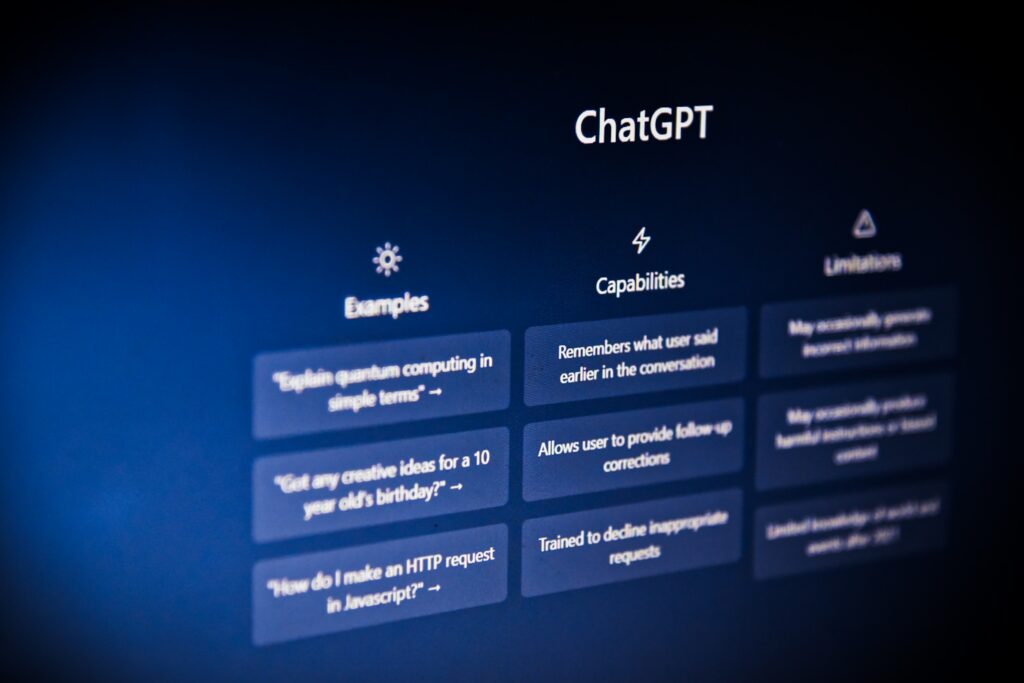
As part of DESC’s ongoing work to provide resources to educators across Douglas College, we provide the following Creative Commons licenced book from the University of Central Florida on creating assignments that incorporate AI chat tools such as ChatGPT. These would also work with the Douglas College access to Microsoft’s BING AI chat through our Office 365 account.
Reference:
Yee, Kevin; Whittington, Kirby; Doggette, Erin; and Uttich, Laurie, “ChatGPT Assignments to Use in Your Classroom Today” (2023). UCF Created OER Works. 8.
Join your peers from across Douglas College as we share “Stumbling Blocks and Stepping Stones”: a monthly series celebrating our struggles and successes in teaching and learning.
Moderated by Tim Paul, Manager, Academic Technology Services and member of Douglas Educational Support Community (DESC), “Stumbling Blocks and Stepping Stones” is structured around 3 short faculty presentations and an optional 30-minute discussion time. Developed under the philosophy of professional development through collegial sharing, we hope that the experience of others will help you to find community, creativity, and the strength to explore new opportunities.
Theme: AI in the Classroom: Educator Experiences and Classroom Guidelines
Date: Tuesday, November 14
Time: 10:35-11:30 am
Our panelists will be:
Jim Palmer (Music, LLPA)
Nina Blanes (BSN, HS)
Doug Beech (Marketing, CBA)
In this session, our panelists will provide examples of how AI is utilized (and not utilized) in their classrooms, shedding light on their approaches to communicating with students about the responsible use of generative technology. Gain valuable insights and practical inspiration for your own teaching methods in this session.
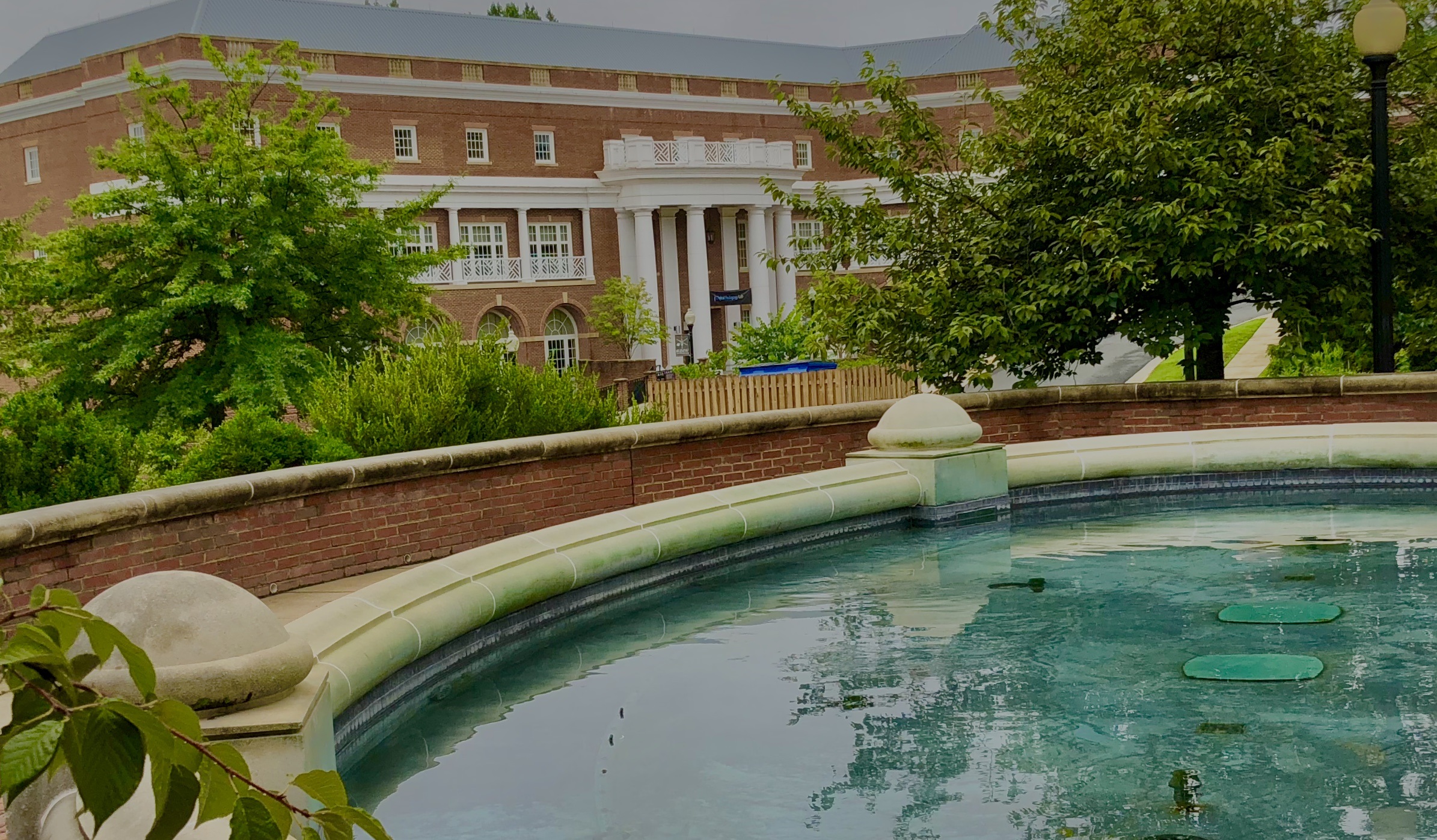
I’d like to express gratitude to Douglas College people for supporting, encouraging, or otherwise showing interest in my participation in the July 30-August 3 Digital Pedagogies Lab at the UMW in Fredericksburg, Virginia. DPL is a unique international event that brings faculty, instructional designers, technical and pedagogical researchers, and other educators together to discuss and learn about navigating modern learning environments, with focus on social and human issues. I am determined to share what I learned at this summer institute for the benefit Douglas College faculty, staff, and students.
Here are a few takeaways gathered from the 5-day Digital Pedagogy Lab I participated in this year:
There are a lot of dedicated, passionate people involved in researching, developing frameworks and solutions, and practice of teaching and learning skills in the modern digital environment.
“Digital” includes questions concerning modern literacies, citizenship, social justice, agency, and creativity (and is not a synonym for technology or EdTech)
There are important distinctions between digital skills and digital literacies
There are open, sharable resources on creating and implementing a digital fluency framework for a PSE (more on this later…)
A deep dive by educators into how to inform and protect students in online learning environments is necessary
There are tools to help faculty self-identify how they use the LMS, and this can help get more value for instructors and students.
There are open, sharable resources to encourage and support digital citizenship, and critical and thoughtful inquiry into academic integrity ( Web Literacy for Student Fact-Checkers)
I was in the Digital Literacies track, and we engaged in collaborative work under the guidance of Jade E. Davis, PhD, a Columbia University scholar and Director of Digital Project Management for Columbia University Libraries
What is the Digital Pedagogy Lab?
Digital Pedagogy Lab is an annual learning and teaching event that provides an “in-depth dialogue and practical experience to educators working in under-theorized digital learning spaces.” Themes include:
The facility of online and digital learning
The ways that educational technology and instructional design make space for, or do not make space for, student agency
Accessibility, disability, equity, student rights, teacher agency, and the representation of unheard and silenced voices in education
Pedagogies, policies, and critical practices that support agency, creativity, and inquiry