Digital Literacy, AI, and Staying Human in a Changing World

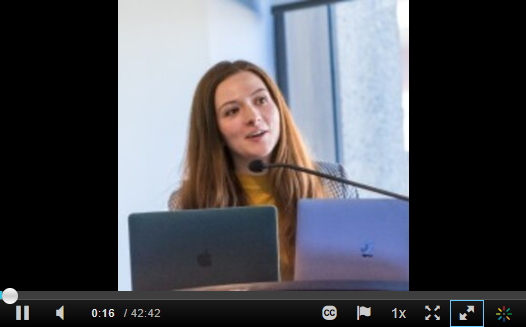
What does it mean to be digitally literate in 2025? For Britt Dzioba, Learning and Teaching Advisor at BCcampus, the answer goes far beyond knowing how to use a computer.
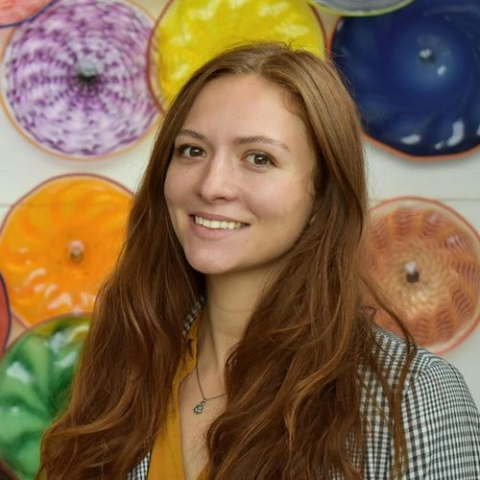
In a recent conversation, Britt reflected on her work with BCcampus and Digital Literacy development and the open-access Digital Literacy Hub—a resource designed to help faculty, students, and communities build the skills needed to thrive in an ever-changing digital environment. She noted that while the tools and platforms may shift rapidly, the underlying competencies—such as information literacy, critical engagement with technology, and digital well-being—remain essential.

The pandemic acted as a “bucket of ice water” moment, forcing faculty and students to adapt quickly to online learning. Since then, technologies like generative AI have added new layers of complexity, raising both opportunities and concerns. “I think technology can be a wonderful thing if used intentionally and if used critically. This is where I think, especially with AI, … it’s so important to keep the human in it…that is how we use AI critically and ethically, by centering human experience.”

From exploring algorithmic literacy to supporting accessibility for neurodivergent learners, Britt emphasizes the importance of slowing down, setting boundaries, and cultivating critical thinking. She sees small, grassroots actions—like community-led digital projects or mindful approaches to teaching and learning—as powerful antidotes to despair in the face of rapid change.

Ultimately, digital literacy is not just about mastering tools. It is about equipping ourselves to respond—rather than react—to change, and to shape technologies in ways that sustain human connection, equity, and wisdom.
The Psyche and Artificial Intelligence

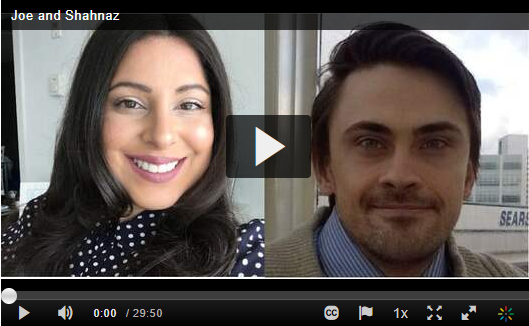
Psychology faculty members Shahnaz Winer and Joe Thompson joined a conversation about how technology is reshaping minds, methods, and what we call the “psyche.”

Dr. Winer, a professor of psychology in her second year at Douglas College, described her focus on the brain–mind question and the nature of consciousness—work now inseparable from advances in artificial intelligence. She recently supervised an honours thesis exploring how tools like ChatGPT might guide a cognitive-behavioural therapy exercise to help with anxious thinking. Shahnaz shared her thought that our brain is a beautiful bridge between our humanity/physiology and our ‘divinity’—the abstract self we call psyche or soul, noting how AI’s rise makes these questions newly urgent.

Dr. Thompson, Chair of Psychology and Social Sciences, studies how naturally occurring data—for example, from people who play video games—can power new research. He also zoomed out to a big-picture concern: humans routinely overestimate attention and multitasking ability. Whether walking or driving, divided attention can turn risky. “The cognitive system is very limited attentional resource, and people tend to overestimate how many resources they have”.

The conversation traced psychology’s roots—psyche as “breath” or “soul”—to today’s scientific lens on the brain, touching on the long-running debate about whether humans are fundamentally special or simply part of nature’s continuum. Both guests urged caution with fast-moving AI systems whose inner workings can be opaque. Because generative models are trained on human data, they can inherit our biases—making thoughtful guardrails and regulation part of the work ahead.

Dr. Winer emphasized what to protect as more tasks are offloaded to machines: empathy, connection, and community. “Our relationships and care for one another can’t be replaced,” she noted, adding that AI is still “in its infancy” and can be shaped to benefit humanity. Thompson closed by returning to an ancient reminder from Delphi—Know Thyself—arguing that we should use AI carefully until we better understand our own cognitive limits.