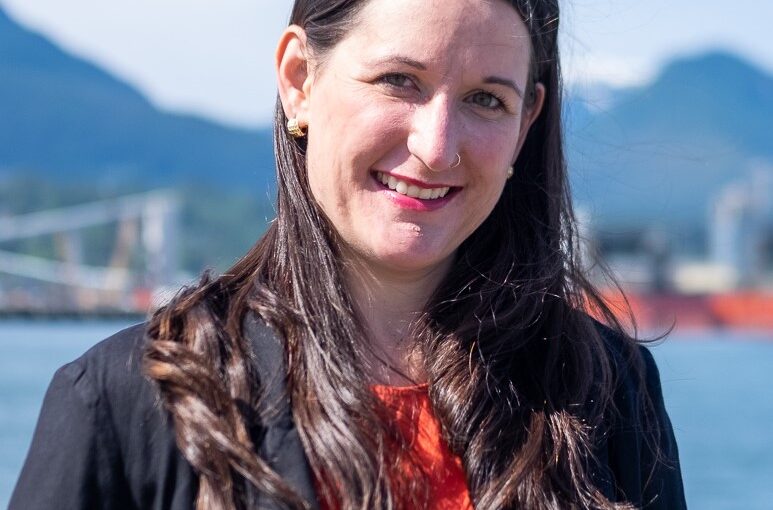
Inclusive Teaching with Sarah Skinner


We caught up with Sarah Skinner, an Early Childhood Education instructor, about her first year in a full-time faculty role and her evolving approach to inclusive, student-centered teaching. Sarah shares how Universal Design for Learning (UDL) principles, multiple means of expression, and real-world inclusive strategies are shaping her courses—especially in asynchronous online environments.

Sarah reflects on her recent attendance at the Canadian Society for the Study of Education (CSSE) conference and shares a few memorable sessions and takeaways, including using case studies based on refugee families’ lived experiences and incorporating visual note-taking into learning activities. These approaches center student agency and creativity while maintaining clear learning goals.

Key Topics

  • Sarah’s background in occupational therapy and inclusive education
  • Implementing Universal Design for Learning (UDL) in practice
  • Tools like Padlet for engagement and collaboration
  • The value of choice in learning modalities (e.g., essays, podcasts, paintings, carvings)
  • Conference reflections from CSSE and ideas for case-based learning
  • Explorations of visual note-taking in asynchronous online learning
  • The importance of preserving joy, diversity, and human-centered learning in the face of increasing automation and AI

Tools & Teaching Strategies

  • Padlet for visual and collaborative learning
  • Kaltura media tools for multimedia sharing in online courses
  • Visual note-taking as an inclusive and creative learning strategy
  • Gallery walks as assessment and dialogue tools
  • Flexible assessments (papers, songs, carvings, videos) that align with consistent learning outcomes

Takeaway Quotes

“Inclusive education is education.”
“UDL is about fixed goals and flexible means.”
“We’re not just looking for a well-written essay—we’re looking for understanding.”
“When students are engaged and joyful, they’re more likely to think for themselves.”


🔗 Related Links

Access Sarah’s presentation via the link below:

Padlet-for-Choice-and-Flexibility-1


Sarah welcomes collaboration and conversation with other Douglas College instructors who are interested in inclusive teaching, creative assessments, or translating hands-on activities to online environments.
Team-based Learning with Mustafa Syed

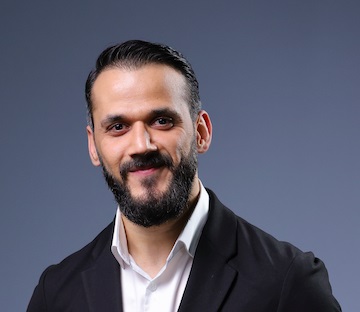
In this follow-up to the DESC Community-Based Learning workshop, Mustafa Syed from the Training Group describes how he uses digital tools and team-based learning approaches to support adult learners—particularly those in self-employment and career-transition programs.

The conversation explores how instructional design grounded in team collaboration, community building, and the BC Post-Secondary Digital Literacy Framework can create real-world outcomes for diverse learners. Drawing on examples from programs like Self-Employment Services, VOICE, and Encore, Mustafa shares how team dynamics, digital skill-building, and collaborative projects foster meaningful communication, promote peer-to-peer engagement, and empower students to connect, share, co-create in dynamic digital environments, and transform their business ideas into action.

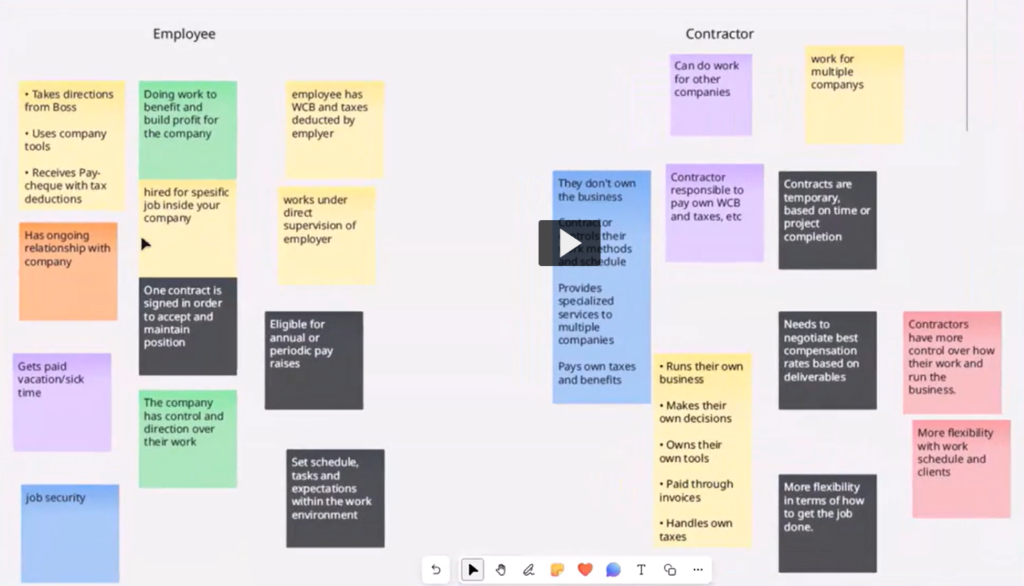
This recorded conversation highlights practical tools and strategies for fostering collaboration and digital literacy in team-based learning environments. Mustafa shares how platforms like Microsoft Whiteboard, Padlet, Blackboard, and Zoom are used to support real-time interaction, peer learning, and inclusive group work. Instructors will find inspiration for engaging learners and supporting diverse teams. Key takeaways include using digital tools to reduce barriers, form learning communities, and empower students to co-create meaningful projects.

Recording of conversation with Mustafa Syed

Team-based learning with Mustafa Syed

In this follow-up to the DESC Community-Based Learning workshop, Mustafa Syed from the Training Group describes how he uses digital tools and team-based learning approaches to support adult learners—particularly those in self-employment and career-transition programs.

The conversation explores how instructional design grounded in team collaboration, community building, and the BC Post-Secondary Digital Literacy Framework can create real-world outcomes for diverse learners. Drawing on examples from programs like Self-Employment Services, VOICE, and Encore, Mustafa shares how team dynamics, digital skill-building, and collaborative projects foster meaningful communication, promote peer-to-peer engagement, and empower students to connect, share, co-create in dynamic digital environments, and transform their business ideas into action.

This recorded conversation highlights practical tools and strategies for fostering collaboration and digital literacy in team-based learning environments. Mustafa shares how platforms like Microsoft Whiteboard, Padlet, Blackboard, and Zoom are used to support real-time interaction, peer learning, and inclusive group work. Instructors will find inspiration for engaging learners and supporting diverse teams. Key takeaways include using digital tools to reduce barriers, form learning communities, and empower students to co-create meaningful projects.

Recording of conversation with Mustafa Syed