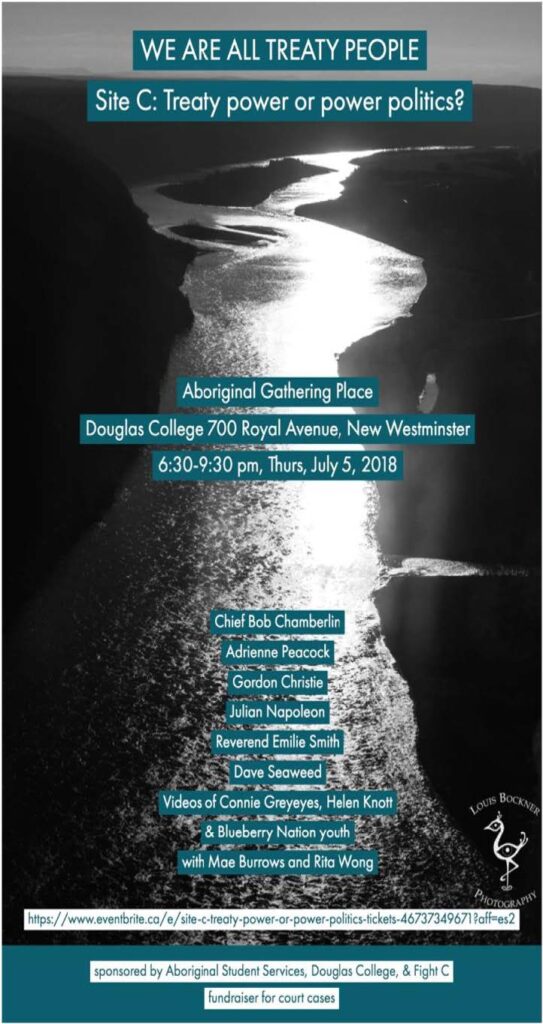
We are all treaty people – Site C: Treaty power or power politics?


Thu, 5 July 2018 6:30 PM – 9:30 PM  at the Aboriginal Gathering Place (4650)
Douglas College 700 Royal Ave New Westminster View Map

Speakers:

Chief Bob Chamberlain of the BC Union of Indian Chiefs

As the elected Vice-President of the Union of BC Indian Chiefs, Chief Chamberlin takes an active role in the defense of Aboriginal Title and Rights and is committed to overcoming the challenges and impacts of fish farms in the Broughton Archipelago. Further, he frequently engages in lobby efforts at both the provincial and federal levels to ensure the protection of First Nations water rights and safe drinking water for our communities.

Gordon Christie, Professor of Law, Peter A Allard School of Law

Professor Christie is of Inupiat/Inuvialuit ancestry and researches in the areas of Aboriginal rights, Aboriginal title, indigenous self-determination, and the Crown’s duty to consult and accommodate Aboriginal groups. Professor Christie’s research also focuses on the intersection between indigenous law and Aboriginal law that has developed through Canadian jurisprudence on section 35 of the Constitution Act, 1982.

Julian Napolean, Dane-Zaa and Cree from the Salteau First Nation in Treaty 8 Territory and Member of the Working Group on Indigenous Food Security

Adrienne Peacock, Faculty Emeritus, Douglas College, Department of Biology

After graduating with a Ph.D. in Zoology from UBC, Adrienne worked as a consultant to an environmental group and then, for over twenty years, taught biology, ecology and environmental science at Douglas College.

Reverend Emilie Smith, Rector of St.Barnabas Anglican Church, New Westminster

Dave Seaweed, Aboriginal Students Coordinator, Douglas College

Accessibility:

Please message the organizers with any accessibility concerns. Best entrance from campus parking lot or Royal Ave for those with mobility concerns. Barrier free washrooms available.

(Posted at the request of Stephen Crozier, Douglas College)
And what a festival it was!

I’m back this week from attending three full days (May 28-30) at the Festival of Learning and my heart and mind are full. So before too much time goes by, I’d like to try to unpack what I participated in, collaborated on, and observed about this one-of-a-kind conference for educators and students.

First off, let’s talk about the theme for #FoL18: Higher Education: Handle with Care. Its two driving tenets, (a) inclusion and accessibility and (b) self-care,  provided some pretty hefty topics for us to lift throughout the festival. But, isn’t that the purpose of higher ed conferences? To push us out of our comfortable little backyards to see the world from other perspectives and to learn from them? Based on the anecdotal feedback I’m seeing on Twitter, conference goers were truly touched by the thought and caring that went into organizing FoL. Here are just a few of the highlights:

  • Photo by Markus Spiske on Unsplash

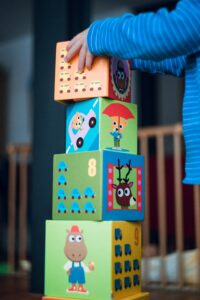
    Free childcare was provided from 8:30-4:30 on all three days. Say what?! It’s true, and for anyone not from the Lower Mainland who wanted to bring their children, this was a HUGE deal. Parents were assured their children were cared for by professionals and during breaks/lunches they could check in with them. A brilliant idea whose time has come.

  • The organizing committee worked hard to make FoL affordable for all with special discounts for early registrants, students, speakers, and volunteers, and even a grant program for faculty applicants to help with their registration costs.
  • Name tags and pronoun ribbons, and all-gender washrooms  were available at the conference.
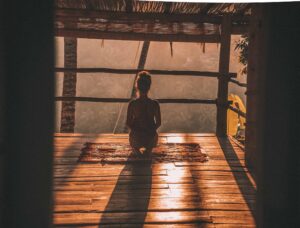
  • Mind and body balance: yoga sessions were held in the mornings and during breaks to ensure our bodies were attuned for learning. A dedicated meditation room was set up to give participants time to quietly reflect whenever they needed to. Again, all free of charge.

    Photo by Jared Rice on Unsplash
  • I don’t know about you, but food is pretty important to me, so having delicious, nutritious options for meals and breaks really made me feel the love.

And all this without even mentioning the conference sessions and workshops themselves. So allow me to mention them now.

  • The Keynotes. C’mon! I defy anyone with a heart to say they weren’t deeply impacted by what they heard, felt, and experienced at the three incredible keynotes. Themes of compassion and empathy for our students and ourselves were brilliantly interwoven, opening us up to new possibilities.
  • So many great sessions to choose from including: OER and open pedagogies, caring for privacy, cultivating trust and emotional safety, global citizenship, students as partners, supporting student wellness, universal design for learning, liberating structures, teaching resilience to undergrads, digital/flexible hybrid learning, community engagement, visual toolkit for self-care, beyond the walled garden (LMS), building capacity for diversity and inclusion, and the list goes on…

Okay. Amazing care and attention for us as individuals, coupled with an incredible slate of sessions that touched our hearts and minds. What more is there to say? I think this tweet from SFU’s Teaching and Learning Centre encapsulates it all.

Thank you to the #FoL18 organizing committee and the many volunteers who tirelessly worked to pull off #thebestconferenceever. The gauntlet has been thrown down.


Podcast! Encourage your students’ voice


Lisa Smith and Steven Bishop facilitated a workshop at Douglas College that opened up discussions about listening and encouraging student voice, examined Lisa’s process of developing a podcasting assignment in her Gender and Youth Cultures class, and provided some basic audio recording information. The workshop included:

  • Listening as practice (activity)
  • A case study of the development, implementation, and showcasing of a classroom podcast assignment
  • Examples of student and expert podcasts
  • Skills inventory (activity)
  • Technical overview of audio recording, editing, and producing
  • Live recording demo with Audacity software and Yeti microphone
  • Full group discussion of how to bring this approach into the class

Link to the PODcast! Presentation

Link to Podcast Workshop Resources (Google Document)

We would like to acknowledge that we live, learn, work, and play on the unceded traditional territories of the Coast Salish Peoples of the QayQayt and Kwikwetlem First Nations.