The open education community is abuzz about open pedagogy. While not losing sight of the importance of using, revising, and creating open educational resources, many are thinking more about how to open up their teaching and learning practices. But how might we understand what open pedagogy is, and why should we think of it as “open”?
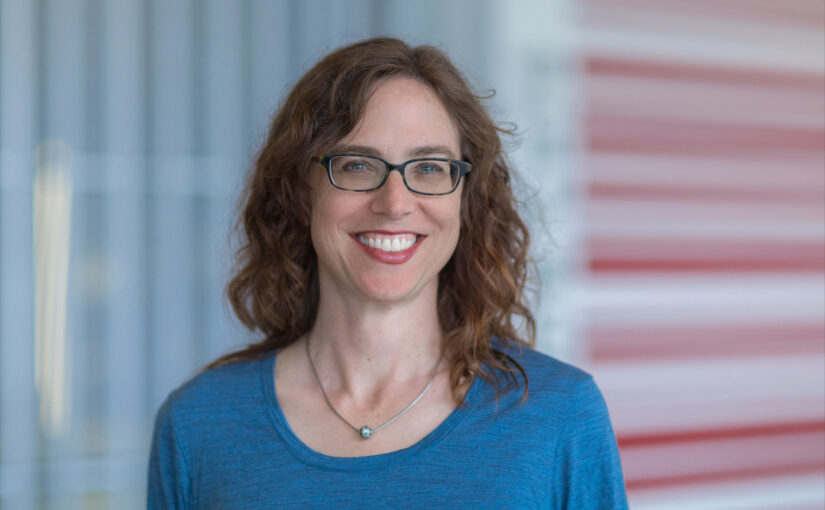
On October 26 from 1:30-3:00pm in the Aboriginal Gathering Place at Douglas College in New Westminster, Christina Hendricks will discuss some possible ways to answer those questions, while pointing out that there are multiple legitimate ways to do so. She will also provide examples of how faculty and students are participating in open pedagogical practices in BC and elsewhere.
All students, faculty, and staff are welcome at this event. Please REGISTER here.
How is it that I am precisely at the perfect distance to the sun, so that the moon exactly eclipses the sun?[i] And the sun warms but does not destroy this place?
Where is the closest place I can walk on the earth with bare feet? Drink from a pure stream? Slip into a clean lake or river?
When was the last time I scared a mountain lion with only my voice and fierceness away from its prey and saved a little dog?[ii]
Who lived here before me? And who lived here before them? How far down would I have to dig to find the ancestors of this place? What did they find to eat, only here? Wrap themselves in, from only here? Create shelters from only here? Heal their wounds and ailments, from only here? Remember their predecessors to this place?
How will my successors appreciate what I have done here? How I have lived? What love I have received and given here?
How am I to respect, appreciate, and honour this place?
I wrote this reflecting on several overlapping themes in my work and personal life. I am participating in an Indigenous Studies Working Group at Douglas College, in conversation with friends and family who live in semi-remote rural places, and working on developing a new program that strives to use digital tools to enable instructors and students to co-create place-based learning objects that reference local history, environmental concerns, economics and vernacular sensibilities. I am interested in collaborating with others with similar interests…
by Steven Bishop
[i] As relayed during a conversation with Dr. Paul Jacobson (Jacobson, 2017)
[ii] As relayed during a conversation with Susan Aldridge, who did exactly this during a walk on her land in the Slocan Valley. (Aldridge, 2017)
[iii] “All my relations” is a saying used to express awareness of the interconnected nature of the universe. We hear it often as part of Indigenous welcoming to British Columbia post-secondary events. “It also reinforces that everyone and everything has a purpose, is worthy of respect and caring, and has a place in the grand scheme of life.” (Kaminski, 2013)